
The alphabet soup: EU, Schengen, EEA, and the rest
Europe's governance architecture confuses everyone, including Europeans. The reason is simple: there is no single "Europe" politically. Instead, there are overlapping clubs with overlapping memberships, and understanding which club does what is essential before you apply for a visa or open a bank account.
The European Union (EU) — 27 members
The EU is a political and economic union. Its members share a single market, meaning goods, services, capital, and — crucially for expats — people move freely between them. EU citizens can live and work in any other member state without a visa. If you hold an EU passport, your relocation is a bureaucratic formality, not an immigration process.
For non-EU citizens (Americans, Canadians, Australians, Britons post-Brexit), the picture is different. Each country sets its own rules for third-country nationals, though all must comply with EU directives. The practical result: visa categories, income thresholds, and processing times vary substantially from Portugal to Germany to Greece.
The Schengen Area — 29 countries
Schengen is not the EU. It is a border-free travel zone. Twenty-five EU members are in Schengen (Ireland opted out; Cyprus and Romania joined in 2024-25; Bulgaria joined in 2024). Four non-EU countries — Iceland, Norway, Switzerland, and Liechtenstein — are also in.
For short visits, the Schengen 90/180 rule applies: you may spend up to 90 days in any rolling 180-day period across the entire zone. The clock does not reset when you cross from France to Spain. The EES biometric entry-exit system, operational since late 2025, now tracks this electronically.
The EEA and EFTA
The European Economic Area extends most single-market rules to Iceland, Liechtenstein, and Norway — three of the four EFTA countries. Switzerland, the fourth EFTA member, has its own bilateral agreements with the EU instead. In practice, EEA membership means these countries follow EU regulations on trade and free movement but sit outside the EU's political institutions.
The Council of Europe
Not to be confused with the European Council (an EU body), the Council of Europe is a human rights organisation with 46 member states. It oversees the European Convention on Human Rights and the European Court of Human Rights in Strasbourg. Almost every European country is a member. Russia was expelled in 2022.
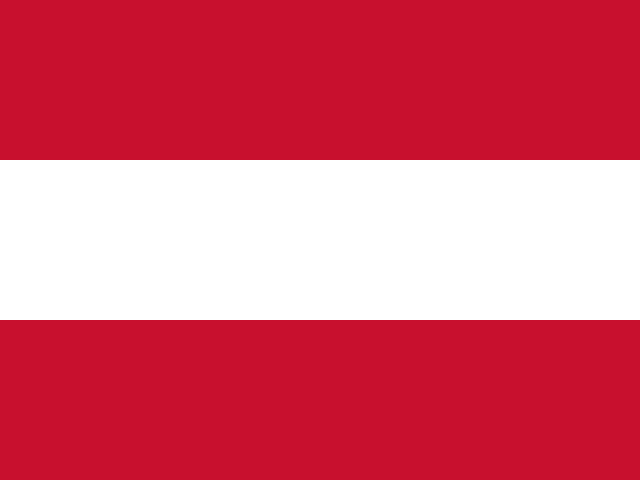 Austria
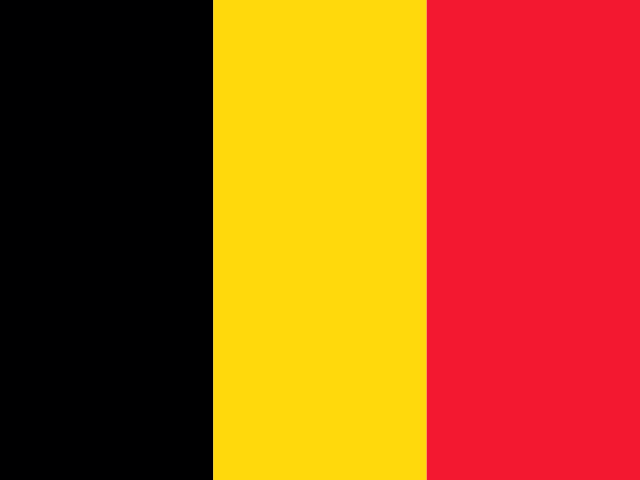 Belgium
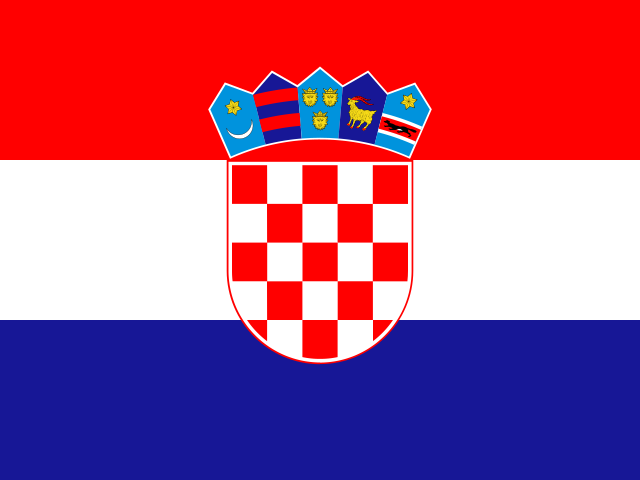 Croatia
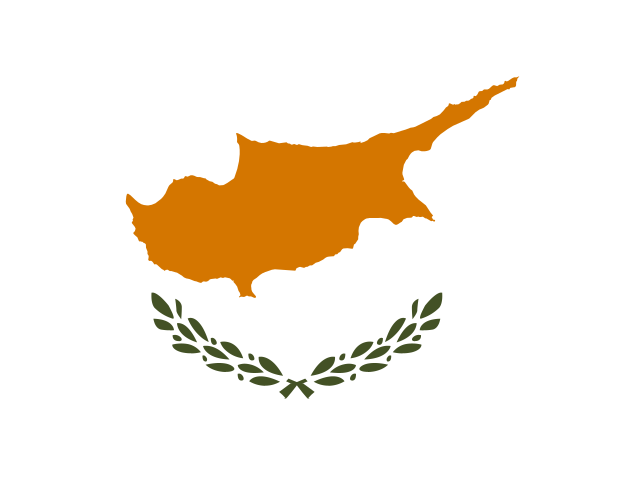 Cyprus
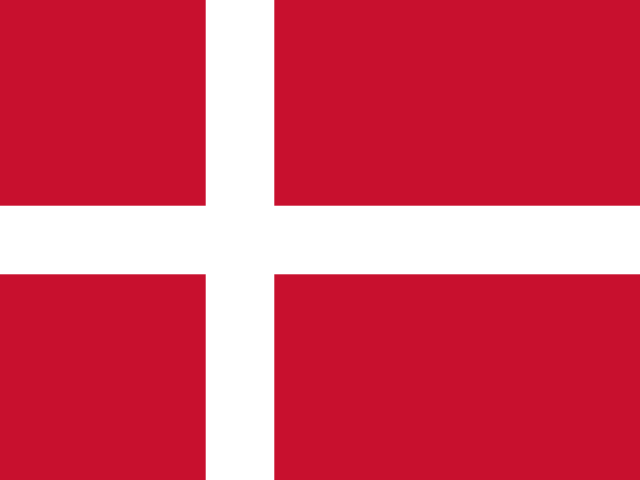 Denmark
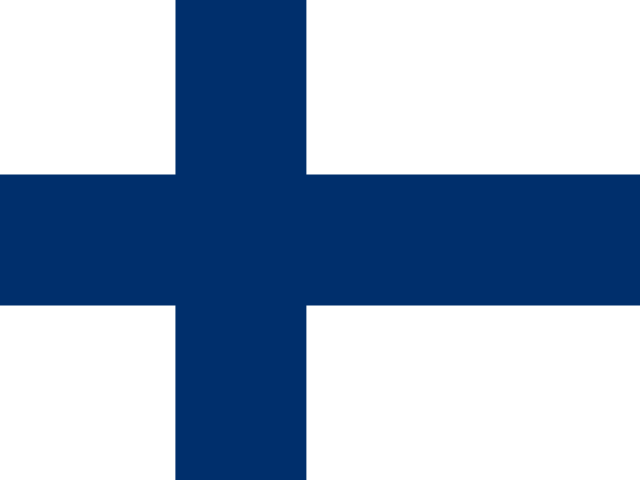 Finland
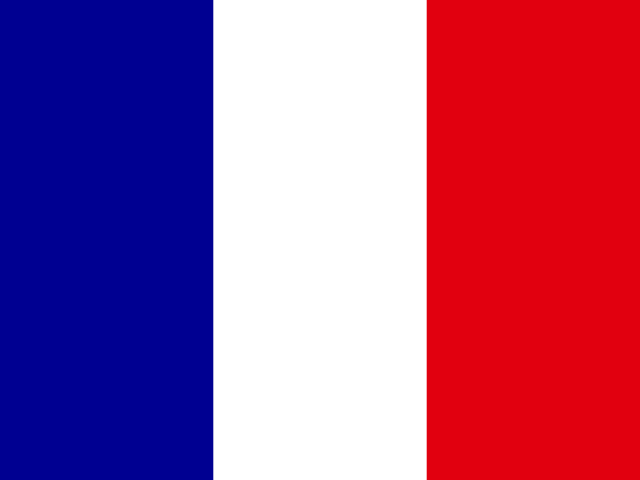 France
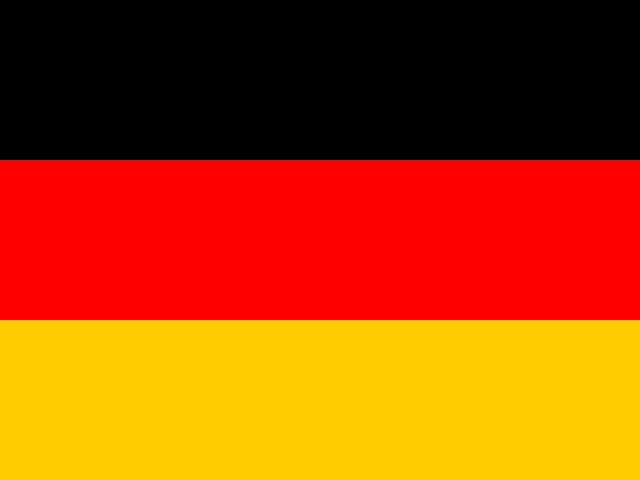 Germany
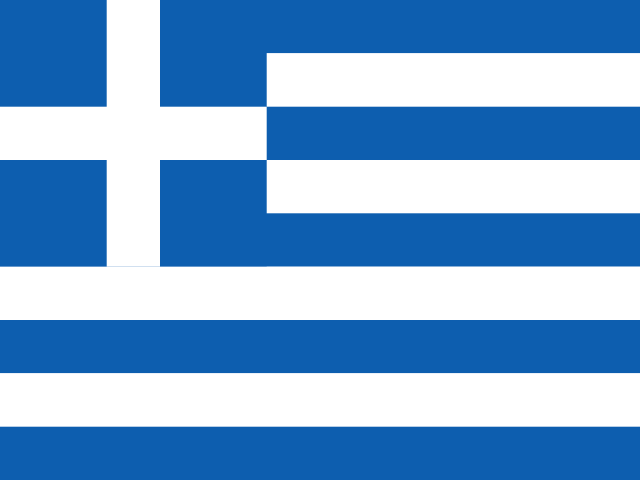 Greece
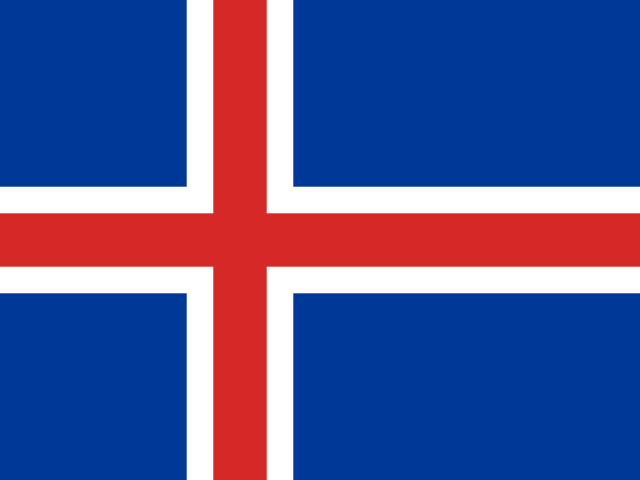 Iceland
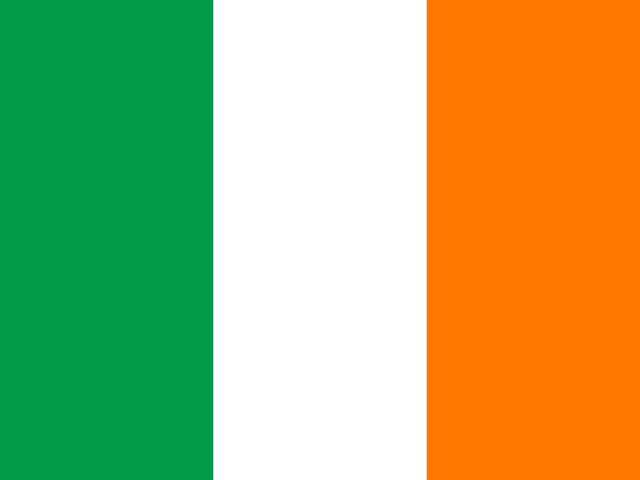 Ireland
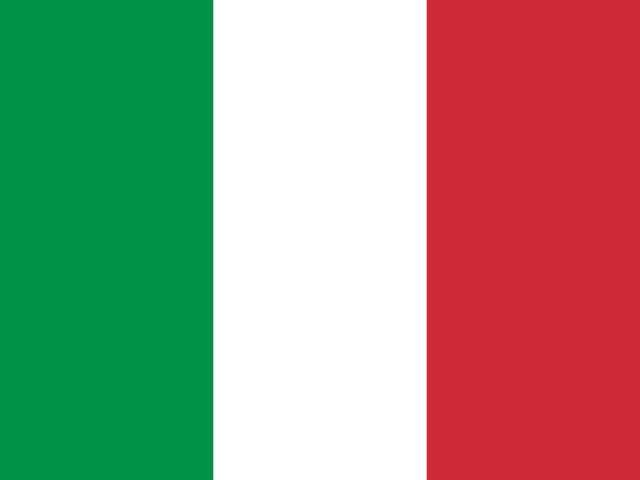 Italy
Italy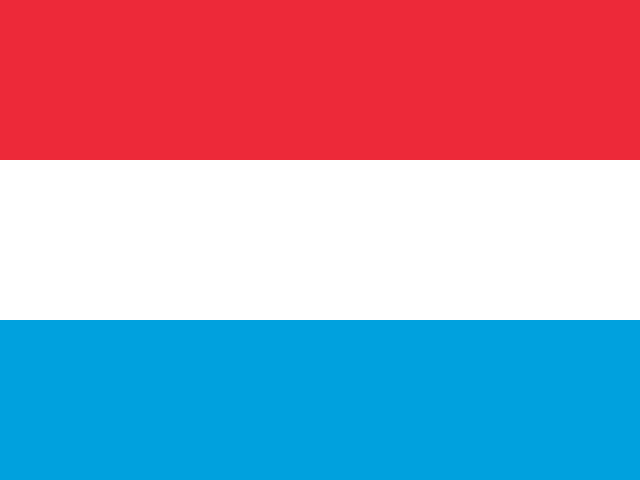 Luxembourg
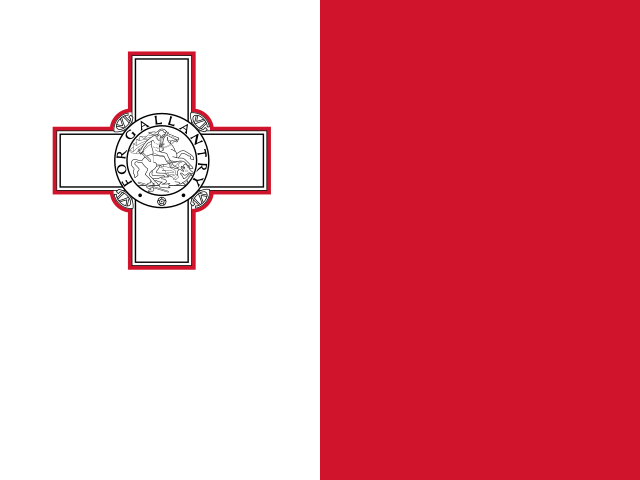 Malta
Malta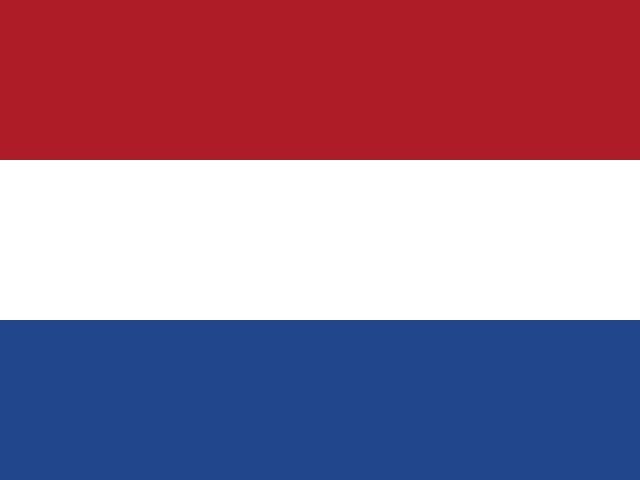 Netherlands
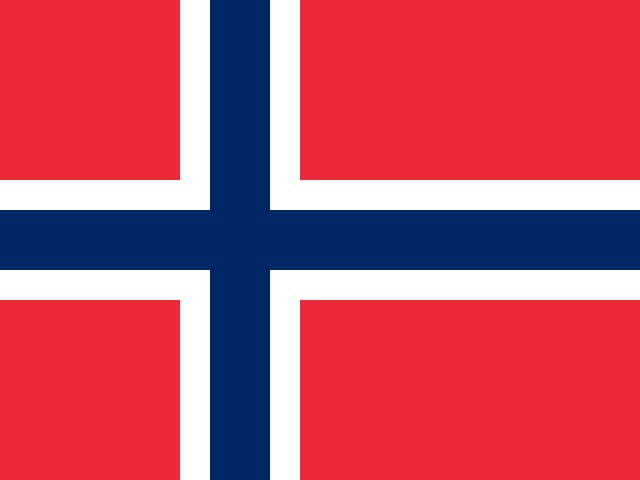 Norway
 Portugal
 Slovenia
 Spain
Spain Sweden
 Switzerland
 United Kingdom